Plains game hunting is how most international hunters take their first African safari. It is affordable, accessible, and it puts you in genuine Bushveld country stalking wild antelope on foot — the same experience that hooked every hunter who ever came back for more. If you are researching your first trip to South Africa, this guide explains what plains game is, which species to target, what rifle to bring, what it costs, and how to plan the week. It is written from the perspective of a family-run Limpopo reserve, but it applies wherever you end up hunting.
Looking for a commercial plains game package? See our plains game hunting page for species, trophy fees and booking, or browse our safari packages.
What is plains game?
In South African hunting, "plains game" refers to the non-dangerous herbivores — antelope, zebra, warthog and similar species — that are hunted on foot across open Bushveld, savanna and farmland. It is the counterpart to "dangerous game" (Cape buffalo, hippo, crocodile and the big cats), and it accounts for the vast majority of hunting safaris in the country. Plains game is what you hunt on a first trip, what you add to a buffalo safari as extra trophies, and what most returning hunters come back for year after year.
Read more about the distinction in our guide to plains game vs dangerous game.
The species you can hunt
South Africa offers more plains game species than any other African country — well over thirty, depending on the province and the reserve. At Marula, our Limpopo Bushveld holds strong, free-range populations of the classic species most hunters want:
- • Greater kudu — the "grey ghost," South Africa's most iconic plains game trophy. Read our kudu hunting page.
- • Impala — fast, abundant and the most common first trophy. Read our impala hunting page.
- • Gemsbok (oryx) — striking straight-horned antelope of open country. Read our gemsbok hunting page.
- • Nyala — one of the most beautiful antelope in Africa, preferring thick cover. Read our nyala hunting page.
- • Waterbuck — large, robust antelope with a distinctive white rump. Read our waterbuck hunting page.
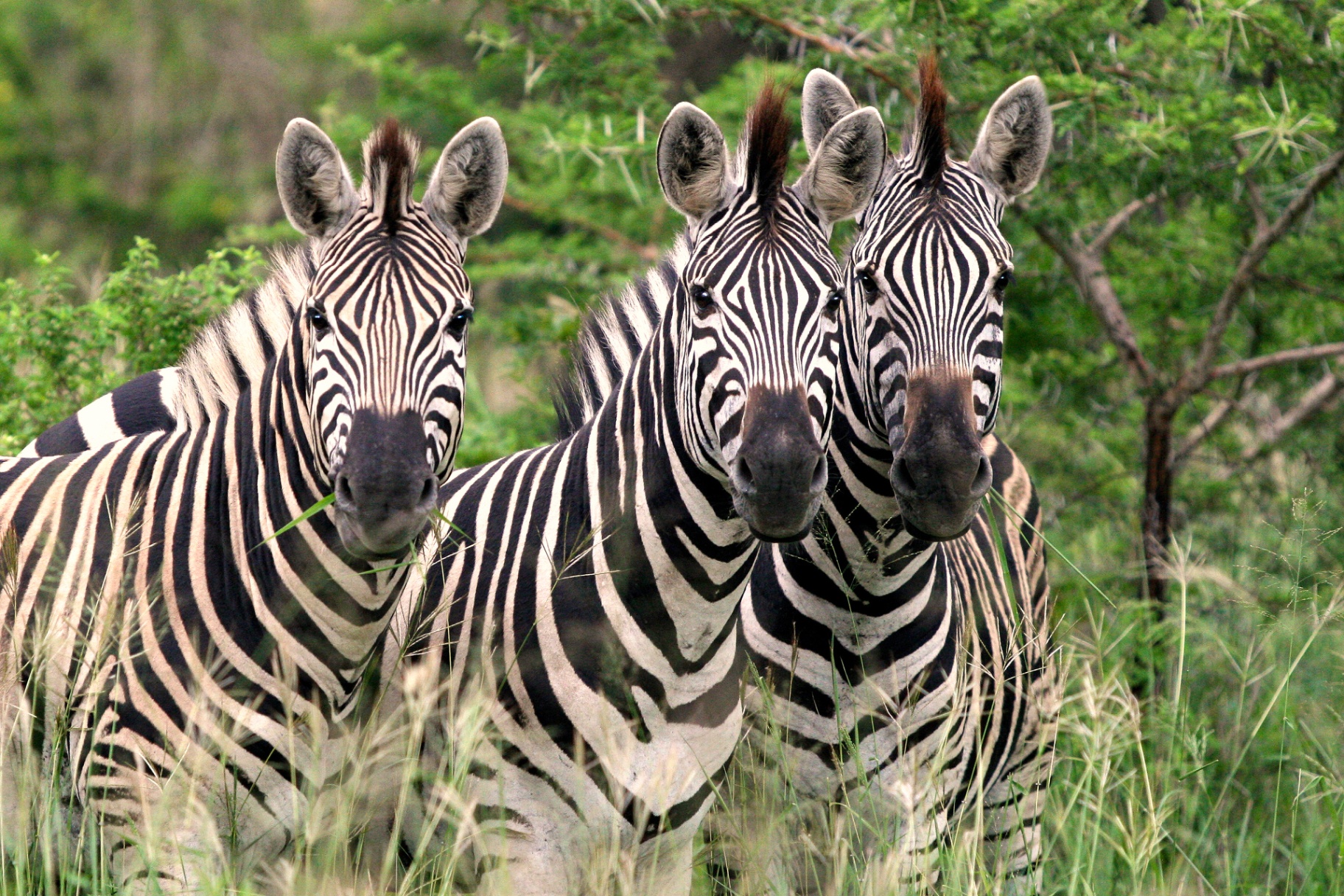
- • Blue wildebeest, zebra, warthog, bushbuck, red hartebeest — all present and hunt-able on the reserve.
The full list of species at Marula, with trophy fees, is on our plains game hunting page.
Which rifle calibre to bring
Plains game does not require a dangerous-game calibre. The most versatile choice is .30-06 Springfield or .300 Winchester Magnum — either will handle everything from an impala to a bull eland with the right bullet and good shot placement. A 7mm Remington Magnum is also excellent and shoots flat. For hunters who prefer a lighter-recoiling rifle, a .308 Winchester or .270 Winchester will cleanly take any plains game species in South Africa.
The key principle: shot placement beats calibre. A well-placed .308 into the vitals is far more effective than a poorly-placed .300 Magnum. Use a quality bonded or monolithic bullet in the 150–180 grain range, zero your rifle before you travel, and practice off sticks — you will be shooting from shooting sticks in the field, not from a bench rest. Read more in our rifle and gear guide and our packing list.
What a plains game hunt costs
Plains game is the most affordable way to hunt in Africa. A typical safari breaks down into three parts:
| Component | Typical cost (USD) |
|---|---|
| Daily rate (accommodation, meals, PH, tracker, vehicle) | $400–$500/day |
| Impala trophy fee | from $250 |
| Warthog trophy fee | from $250 |
| Gemsbok trophy fee | from $650 |
| Greater kudu trophy fee | from $1,450 |
| Nyala trophy fee | from $1,850 |
| Waterbuck trophy fee | from $1,650 |
| Eland trophy fee | from $4,250 |
A 7-day plains game safari with four to five trophies — say impala, warthog, gemsbok, kudu and nyala — typically lands in the $5,000–$9,000 range all in. That is accommodation, food, guiding, field preparation and the trophies themselves. What is not included: taxidermy and dip-and-pack, trophy shipping to your home country, international flights, rifle rental, ammunition, gratuities and travel insurance. For the full breakdown including hidden costs, read our African hunting safari cost guide.
The best season for plains game
The South African hunting season runs from April to September. The winter months of May through August are the cool, dry core — the bush thins out as the grass dies back, water becomes scarce and game concentrates around remaining waterholes, and daytime temperatures are comfortable for long walks. Visibility improves dramatically, which makes spotting and stalking easier. This is the best time to hunt plains game. Read our month-by-month guide to the best time to hunt in Limpopo.
How to plan your first plains game safari
1. Decide your species and budget
Start with the animals you most want and a realistic budget. A first safari does not need to be a long list — four or five quality trophies over seven days is a full, satisfying hunt. We can help you build a package that matches your wishlist to what is realistically available on the reserve.
2. Choose a free-range reserve
Ask whether the property is free-range or high-fenced into small camps, whether animals are wild or released for the season, and how large the ground is. Free-range means a genuine hunt; released animals in small camps are a different experience and should be disclosed honestly. Our full guide to choosing a hunting outfitter covers the questions to ask.
3. Arrange your rifle (or rent one)
You can bring your own rifle on a free SAPS 520 temporary import permit — read our SAPS 520 guide for the paperwork. Alternatively, most outfitters rent a suitable rifle for the week, which removes the airline and permit hassle entirely.
4. Plan travel and transfers
Marula offers door-to-door service from O.R. Tambo International Airport in Johannesburg — we meet you at arrivals, help with firearms paperwork, and drive you to the lodge. If you are bringing family or a non-hunting spouse, our malaria-free family safari page covers what they can do while you hunt.
5. Think about trophies and taxidermy
Decide before the hunt whether you want full-mount taxidermy, shoulder mounts, skull-only European mounts, or just dip-and-pack for a taxidermist at home. This affects both cost and timeline — full mounts take longer and cost more. US-based hunters should read our guide to importing hunting trophies to the USA.
Ready to plan your plains game safari?
Tell us which species you want, how many days you have, and who is travelling with you. We will send you a tailored package with trophy fees, daily rates and the full itinerary.
Plains game hunting — FAQs
What is plains game hunting in South Africa?
Plains game hunting targets the non-dangerous antelope and other herbivores of southern Africa — species like impala, kudu, gemsbok, nyala, waterbuck, zebra, wildebeest, warthog and bushbuck. It is the most common and affordable type of African hunting safari, suitable for first-time visitors and experienced hunters alike.
How much does a plains game hunt in South Africa cost?
A plains game safari typically runs $400–$500 per day for accommodation, meals, PH, tracker and vehicle, plus trophy fees that range from $250 for impala up to $6,800 for Livingstone eland. A 7-day plains game hunt with 4–5 trophies usually costs $5,000–$9,000 all in, excluding taxidermy, shipping and international flights. See our full cost breakdown for more detail.
What is the best rifle calibre for plains game hunting?
The most versatile plains game calibre is .30-06 Springfield or .300 Winchester Magnum, both of which handle everything from impala to eland with the right bullet. A 7mm Remington Magnum is also excellent. Shot placement matters far more than calibre — a well-placed .308 will cleanly kill any plains game species in South Africa.
When is the best time to hunt plains game in South Africa?
The South African hunting season runs from April to September. The winter months of May through August are the cool, dry core of the season — the bush thins out, water concentrates game, and daytime temperatures are comfortable for walking. This is the best window for plains game hunting.
Can I bring my rifle to South Africa for a plains game hunt?
Yes. South Africa issues a free SAPS 520 temporary firearms import permit at the airport. Bring your passport, rifle licence from your home country, proof of ownership and the completed SAPS 520 form. Marula offers meet-and-assist at O.R. Tambo to help with the paperwork. Read our full SAPS 520 guide for step-by-step instructions.
Is plains game hunting at Marula free-range?
Yes. Marula's 24,700 acres of Limpopo Bushveld are hunted as free-range ground — the animals are wild, born on the property, and move, water and behave naturally. There are no small camps and no released animals. This is genuine fair-chase hunting on a large, well-managed private reserve.
Keep researching
Read our guides to plains game vs dangerous game, what to pack, safari costs and choosing an outfitter.